

Cart
0
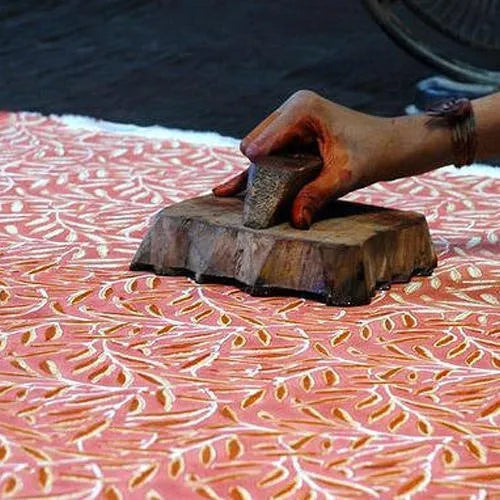
In a world dominated by fast fashion and machine-made textiles, handblock printing stands as a symbol of heritage, sustainability, and artistry. Originating in India over 2000 years ago, this traditional craft is now capturing the hearts of conscious consumers across Germany — from Berlin boutiques to eco-fashion lovers in Hamburg and Munich.
Let’s explore why handblock printing is becoming a preferred choice for the German market.
🌿 What is Handblock Printing?
Handblock printing is a centuries-old textile art where skilled artisans carve intricate patterns onto wooden blocks. These blocks are dipped in natural or eco-friendly dyes and stamped manually onto fabric — one impression at a time.
Each piece:
-
Is handcrafted (no two are identical)
-
Uses sustainable methods
-
Reflects cultural heritage
-
Supports artisan communities
Popular styles include:
-
Sanganeri prints – delicate floral patterns
-
Bagru prints – earthy tones and traditional motifs
🇩🇪 Why Germany Loves Handblock Printing
1. Sustainability & Ethical Fashion
Germany is one of Europe’s leading markets for sustainable and eco-conscious fashion. Consumers actively seek:
-
Organic cotton fabrics
-
Natural dyes
-
Slow fashion brands
-
Fair-trade production
Handblock printing aligns perfectly with Germany’s strong environmental values.
2. Minimalist & Natural Aesthetic
German design culture appreciates:
-
Subtle patterns
-
Earthy colors
-
Timeless designs
-
High-quality craftsmanship
Handblock printed textiles blend beautifully with modern European interiors and fashion trends.
3. Authentic Craftsmanship
German buyers value transparency and authenticity. Handblock printing tells a story — of tradition, artisanship, and heritage — something machine-printed fabrics cannot replicate.

